Phone Number 50487589305
Finland
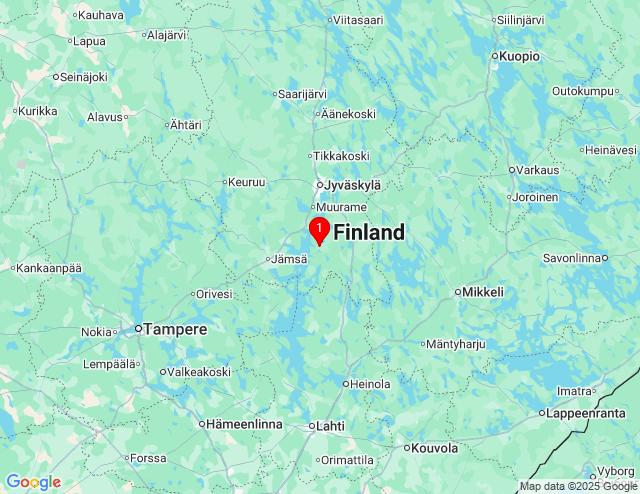
Finland is a country that reveals itself gently. It doesn’t shout for attention — it invites you in with calm landscapes, pure air, and a sense of space that feels almost luxurious. From the deep forests of the south to the Arctic wilderness of Lapland, Finland offers a rare blend of serenity, modern design, and untouched nature. At the heart of the country lies the Finnish Lakeland, a vast maze of blue water and green islands stretching as far as the eye can see. Here, life moves at a slower pace. Wooden saunas sit by the shore, boats glide across mirror‑smooth lakes, and summer evenings glow with the soft light of the midnight sun. Finland is also a country of small, character‑rich towns — from the storybook charm of Porvoo to the lakeside calm of Savonlinna and the Arctic gateway of Rovaniemi. Each place offers its own rhythm, its own connection to nature, and its own slice of Finnish culture. What makes Finland truly special is its balance: wild yet welcoming, modern yet deeply traditional, peaceful yet full of adventure. Whether you come for the silence of the forests, the glow of the northern sky, or the warmth of a lakeside sauna, Finland offers a kind of beauty that stays with you long after you leave.

Find the best flight to Finland

Leaving from

Going to

Finland’s history is a fascinating journey shaped by its unique geographic location, cultural influences, and resilient people. Originally inhabited by various Finno-Ugric tribes thousands of years ago, Finland’s early history is closely tied to nature and the rhythms of the northern landscape.

For centuries, Finland was under Swedish rule, beginning in the 12th century, which deeply influenced its language, law, and culture. During this period, the foundations of Finnish society were established, including the spread of Christianity and the building of medieval churches and castles.

In 1809, after the Finnish War, Finland became an autonomous Grand Duchy under the Russian Empire. This era allowed Finland to develop its national identity and cultural institutions while maintaining a degree of self-governance. The Finnish language and culture flourished, laying the groundwork for independence.

Finland declared independence from Russia in 1917, amid the upheaval of the Russian Revolution. The early years were marked by civil conflict and efforts to establish a stable democratic state. Over the 20th century, Finland navigated complex geopolitical challenges, including wars with the Soviet Union during World War II, while maintaining its sovereignty and democratic values.

Post-war Finland experienced rapid modernization, economic growth, and became known for its strong social welfare system, education, and technological innovation. Today, Finland is celebrated as one of the world’s most stable, prosperous, and forward-thinking countries.

Exploring Finland’s history reveals a story of resilience, cultural richness, and a deep connection to nature that continues to shape its identity and appeal as a travel destination.

Need Help?

Call us for better advice