Phone Number 50487589305
Monastir
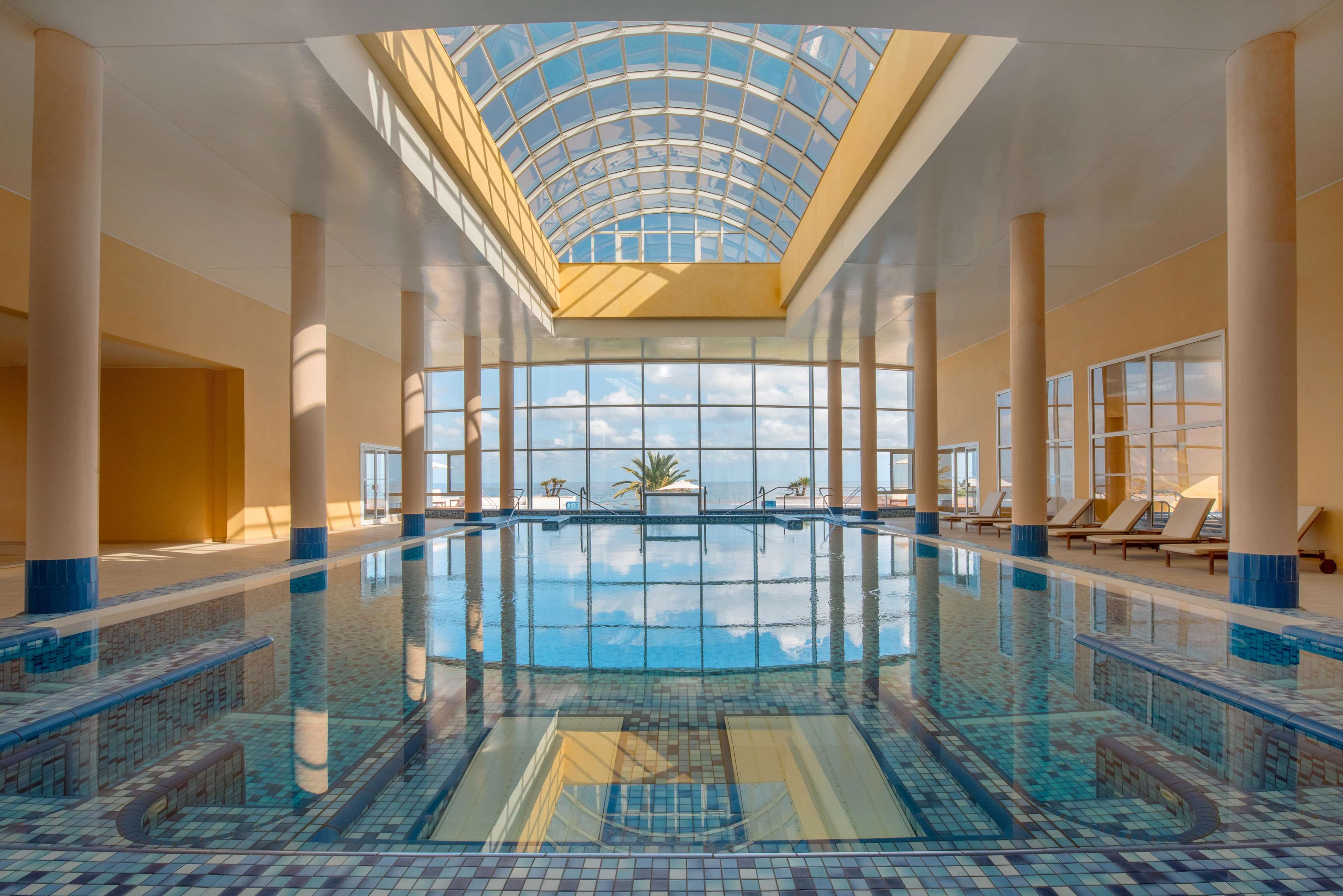
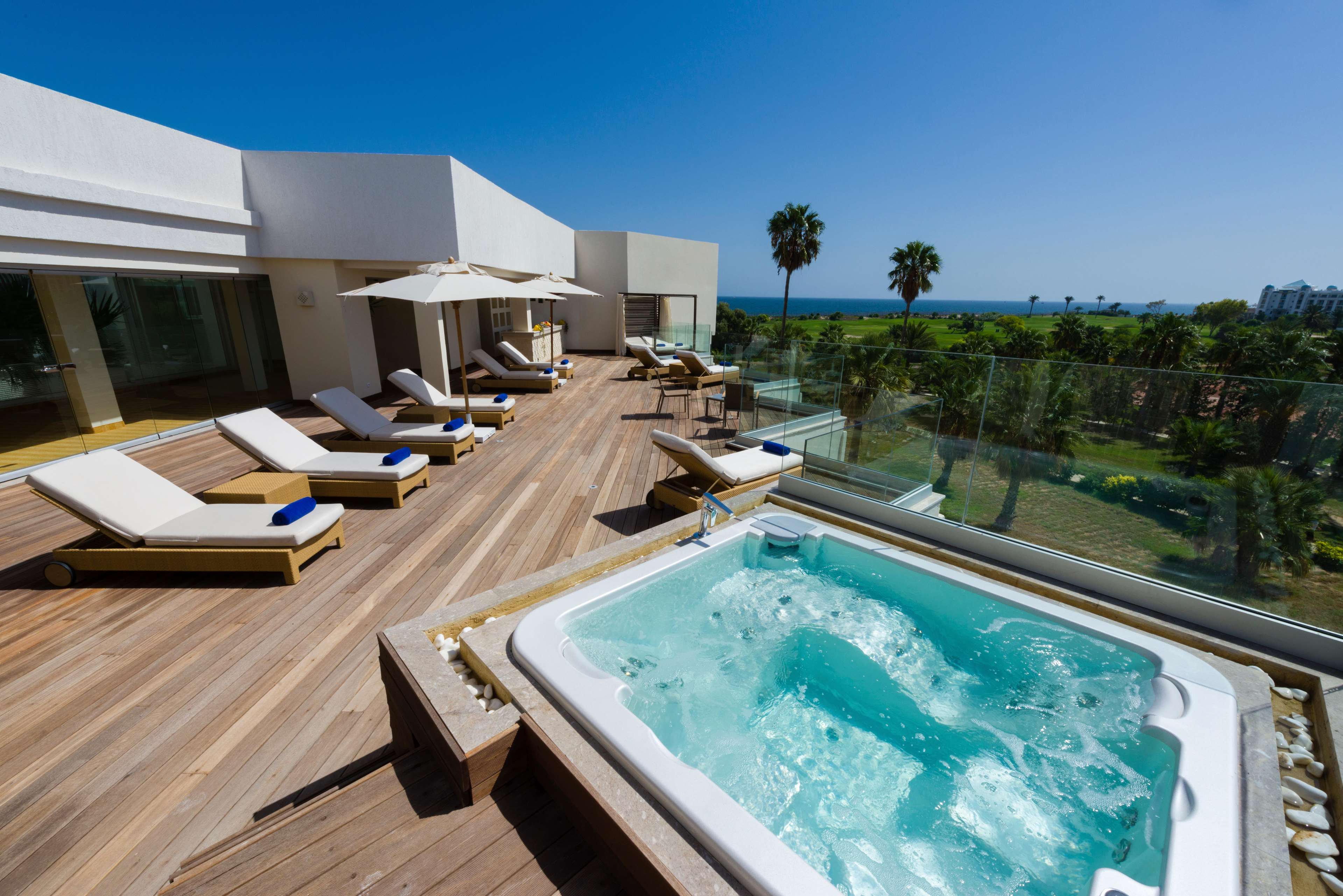
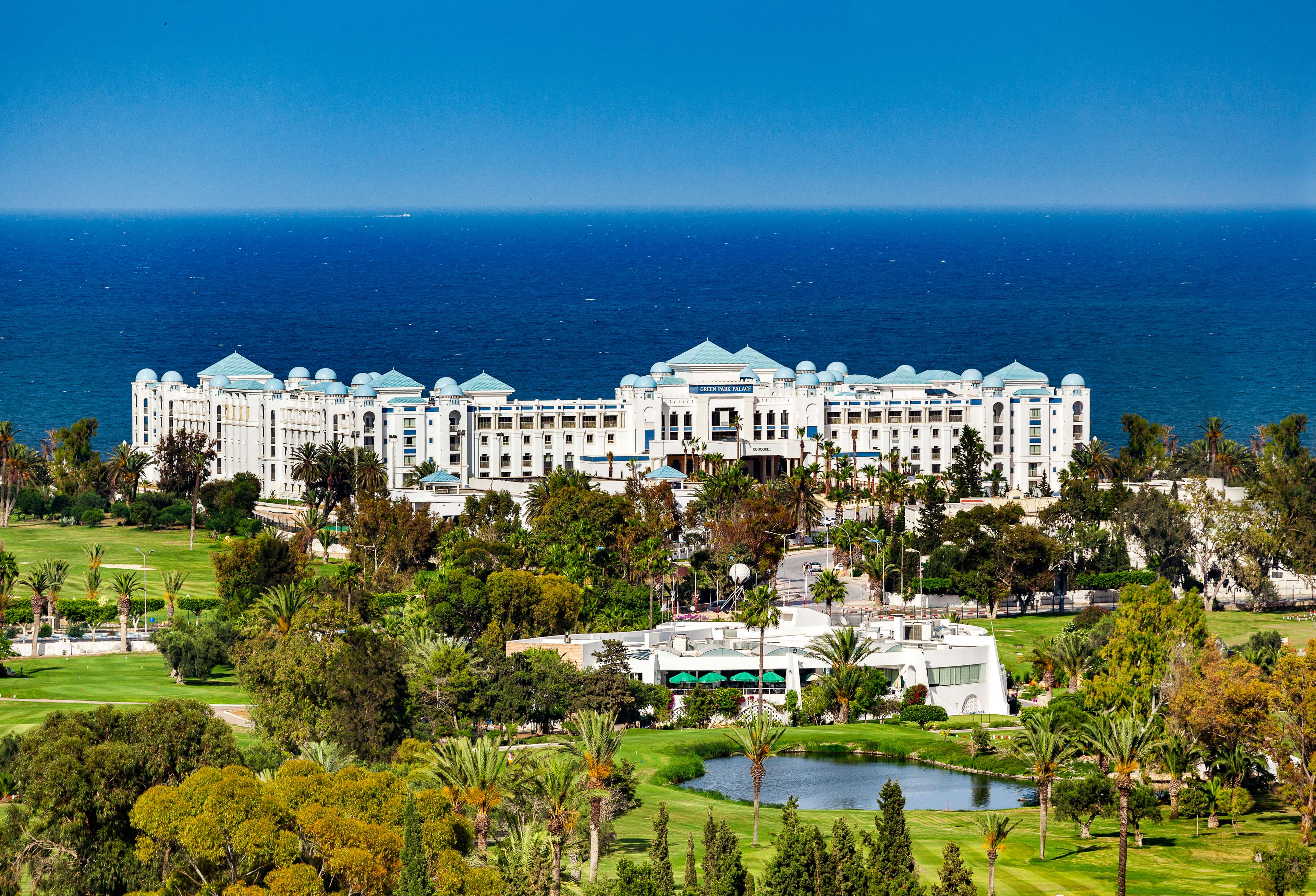
Monastir feels like a place where the Mediterranean slows down and softens, where history sits right beside the sea and the days unfold with a warm, gentle rhythm. It’s a coastal city shaped by sunlight, sandy beaches, and one of Tunisia’s most iconic monuments rising above the water. Monastir’s beaches stretch in long, pale-gold curves, washed by clear, warm water that stays inviting well into the evening. Resorts line the shore with palm‑shaded pools, quiet gardens, and direct access to the sand. The atmosphere is peaceful—perfect for swimming, relaxing, or simply watching the horizon melt into blue. It’s the harmony: ancient walls beside calm beaches, a gentle city with a warm soul, and a coastline that invites you to slow down. Monastir offers a holiday that feels peaceful, authentic, and full of quiet beauty.
Best Months to Travel to Monastir
April, May, October, November

Find the best flight to Monastir

Leaving from

Going to

Monastir, Monastir, has a rich history that dates back to ancient times. Originally founded as a Phoenician settlement, it later became an important city during the Roman period, known as Ruspina. Archaeological remains from this era, including mosaics and ruins, reflect the city’s long-standing role as a hub of trade and culture along the Mediterranean coast.

The most iconic historical site in Monastir is the Ribat of Monastir, a fortress built in the 8th century to defend the city against invasions. Over the centuries, the ribat served not only as a military stronghold but also as a religious center, housing devout scholars and warriors. Its well-preserved walls and watchtowers offer insight into the city’s strategic importance during the Islamic period.

Monastir also played a significant role during the Ottoman era and later in modern Tunisian history. The city’s medina, with its narrow streets and traditional architecture, reflects the cultural evolution over centuries, blending Roman, Arab, and Ottoman influences. Today, Monastir is a living testament to Tunisia’s layered history, where ancient fortifications, historic streets, and modern developments coexist along the Mediterranean coastline.

Need Help?

Call us for better advice